Strip Testing Success: Unlocking the Power of Accurate Pesticide Detection


In today's world, ensuring food safety is paramount, and the detection of pesticide residues plays a critical role in this effort. Accurate Pesticides Lateral Flow Rapid Test Strips have emerged as a game-changing tool in rapidly identifying pesticide contamination on food products. These innovative tests provide an efficient and reliable method for consumers, farmers, and food safety professionals to monitor pesticide levels, helping to promote health and well-being across the food supply chain.

The ability to quickly and accurately test for pesticides is essential, especially given the increasing concerns about food safety and potential health risks associated with pesticide exposure. With the rise of organic farming and demand for clean food, these test strips offer a practical solution for immediate results, allowing stakeholders to make informed decisions. Understanding how these tools operate, their benefits, and their applications can empower everyone involved in food production and consumption to advocate for safer practices and maintain high standards of quality in the foods we eat.
Overview of Pesticide Detection Methods
Pesticide detection methods are essential in ensuring food safety and environmental protection. Accurate mycotoxin Lateral Flow Rapid Test Strips exist, each with its strengths and limitations. Traditional methods such as gas chromatography and mass spectrometry are highly accurate but often require sophisticated equipment and extensive time for analysis. These methods, while reliable, may not be practical for on-site testing, especially in agricultural settings where immediate results are crucial.
Lateral flow rapid test strips have emerged as a popular alternative for pesticide detection. These strips are designed for ease of use and provide quick results, making them suitable for field applications. They work on the principle of immunoassay, where specific antibodies bind to pesticide residues, allowing users to detect contaminants effectively. This approach simplifies the testing process, enabling farmers and agricultural workers to monitor pesticide levels swiftly.
Emerging technologies such as biosensors and smartphone-based applications are also gaining traction in pesticide detection. These innovations aim to enhance the accuracy and accessibility of testing methods. By leveraging advancements in technology, these tools can deliver real-time results and integrate with agricultural management systems. https://mzfoodtest.com/product-category/technologies/lateral-flow-immunoassay/antibiotics-rapid-test-strips/ reflects the growing need for efficient and precise pesticide monitoring in order to safeguard public health and the environment.
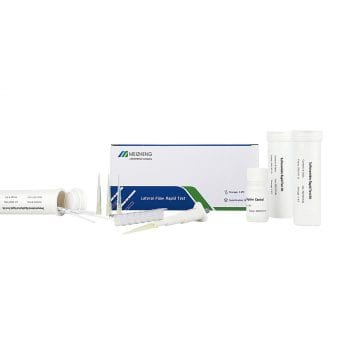
Benefits of Lateral Flow Test Strips
Lateral flow test strips offer rapid and user-friendly detection of pesticides, making them an invaluable tool for farmers and agricultural professionals. One of the primary benefits is their ease of use; they do not require extensive training or specialized equipment. Users can obtain results within minutes, allowing for timely decision-making regarding pesticide application and safety. Food and Feed Safety Test Kits can help prevent crop damage and ensure compliance with safety regulations, ultimately enhancing overall productivity.
Another significant advantage is the sensitivity and specificity of lateral flow test strips. These test strips are designed to detect low concentrations of pesticides, ensuring that even minor residues can be identified. This capability helps in maintaining food safety and quality, safeguarding consumers from potential health risks associated with pesticide exposure. As Accurate Veterinary Drug Residue Rapid Test Strips , farmers can more effectively monitor their crops and reduce pesticide misuse, promoting sustainable agricultural practices.
Additionally, the portability and low cost of lateral flow test strips make them accessible for a wide range of users. They can be used in-field or in remote locations without the need for a laboratory setting. This flexibility allows for continuous monitoring throughout the growing season, enhancing the ability to manage pesticide usage more effectively. By adopting these test strips, agricultural stakeholders can promote safer practices and contribute to more responsible pesticide management.
Case Studies on Testing Success
In a recent agricultural survey, a group of farmers implemented Accurate Pesticides Lateral Flow Rapid Test Strips to monitor pesticide residues in their crops. The results showcased a significant improvement in their ability to identify harmful levels of pesticides quickly, leading to timely interventions. This not only ensured crop safety but also enhanced the overall quality of the produce, resulting in higher market prices and increased consumer trust.
Another case study focused on a food processing plant that adopted the rapid testing strips to maintain compliance with safety regulations. By integrating Accurate Pesticides Lateral Flow Rapid Test Strips into their quality control process, the facility was able to detect pesticide contamination in incoming raw materials before they moved further down the production line. This proactive approach reduced product recalls and safeguarded the brand's reputation while improving efficiency in their operation.
Additionally, a research team utilized Accurate Pesticides Lateral Flow Rapid Test Strips in an environmental study to assess pesticide runoff in nearby ecosystems. The quick detection capabilities of the strips enabled them to gather valuable data on the prevalence of pesticides in water sources. This information proved crucial for local authorities in developing strategies to mitigate contamination and protect biodiversity, highlighting the broader implications of rapid test technology beyond agricultural settings.